Reach and line of sight
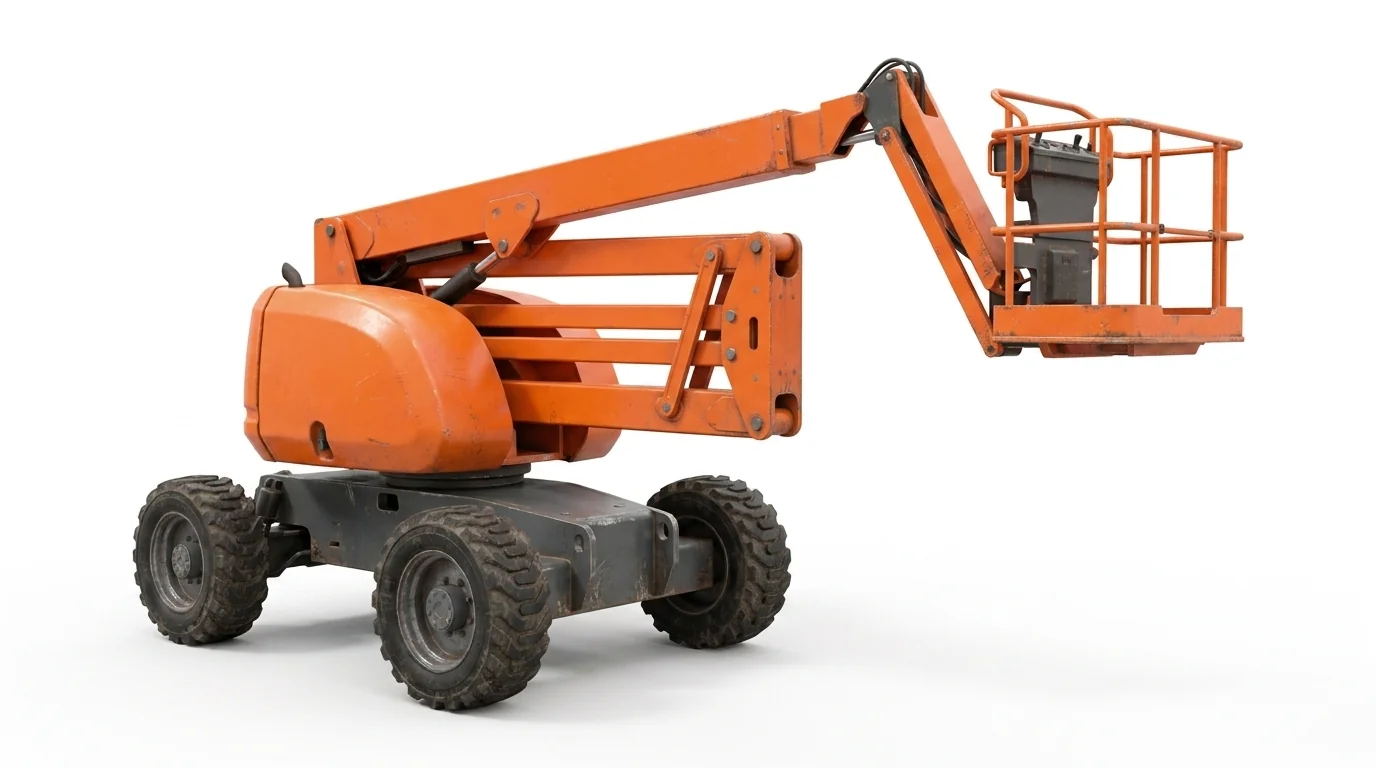
The first question: can the machine sit below or beside the task with a clear line to it? If overhead steel, pipe bridges, or conveyors block the path, consider /articulating-boom-lift-rental/ instead. If you have an open run, a telescopic boom gives longer horizontal reach with simpler positioning.
- Map the maximum setback you can maintain from the structure.
- Check for swing room behind the chassis when the boom telescopes and slews.
Surface and terrain
San Antonio sites swing between finished slab near building perimeters and rough caliche or limestone grades farther out. After sudden rain, top layers can shear under load. For exterior work, rough‑terrain axles and tread provide margin on slopes and transitions. On slab, non‑marking tire options may be required near finished entries.
Height, weight, and transport path
- Door and gate clearances often limit which boom can access interior courtyards.
- Heavier long‑reach models need firmer support; verify travel paths across trench plates or utility cuts.
- If the task includes light fixture or sensor arrays along long runs, the stable platform of a straight boom can reduce repositioning.
Local use cases
- Long façade repairs and glazing on industrial buildings
- Exterior cable tray and conduit runs between technical buildings
- Stack, tower, and billboard service where the base must stay back from curbs or soft shoulders
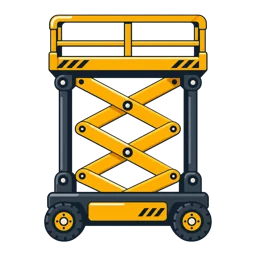
For indoor slab work with vertical travel and frequent stops, see /electric-scissor-lift-rental/. For mixed interior routing with obstacles, compare /articulating-boom-lift-rental/.
Planning checklist
- Highest working height and maximum horizontal reach required
- Base setback distance and swing radius clearance
- Surface type now and after rain
- Access route width, grade, and turning room