Establish the placement zone before selecting a unit
The first filter is where the machine can live without obstructing work:
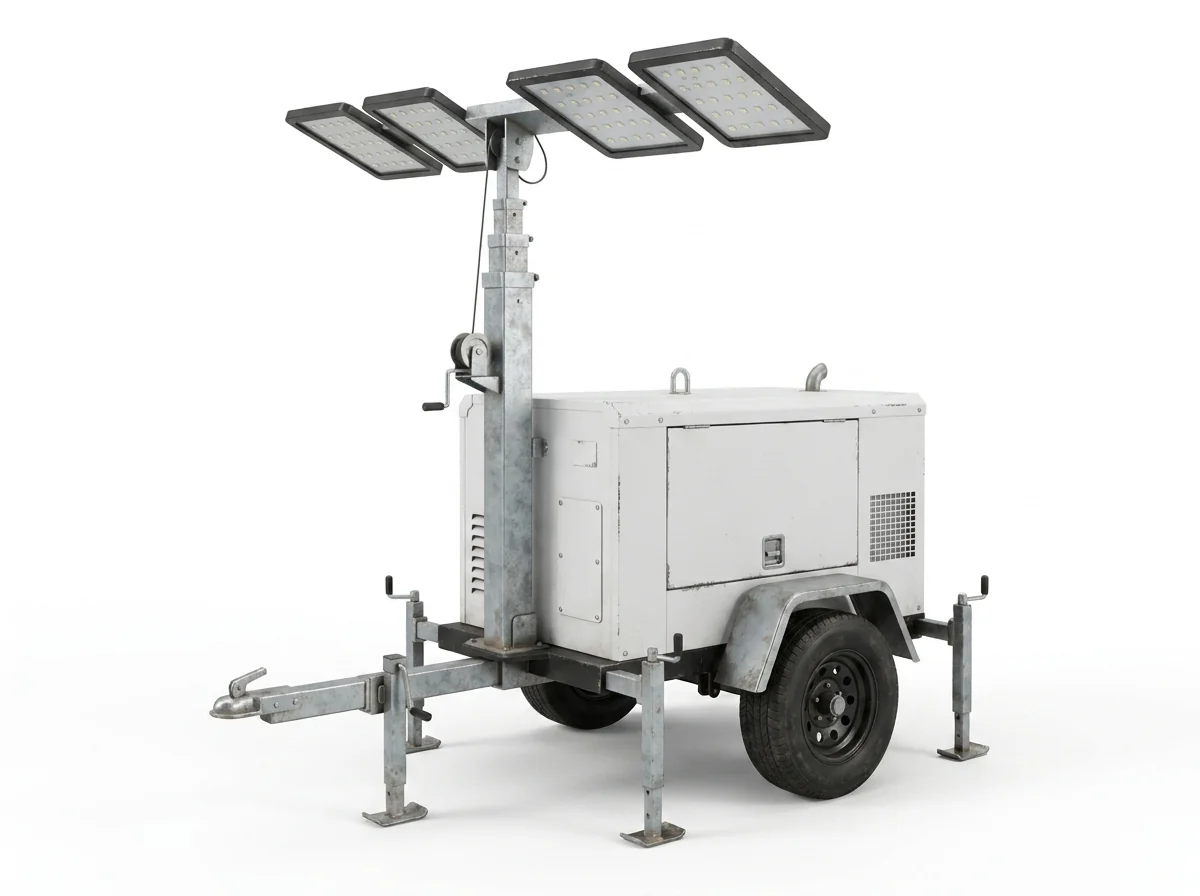
- Can the generator or tower sit below the task on a slab edge, or must it roll across unfinished subgrade? Rougher ground and quick moisture shifts point to models with wider stance and more ground clearance.
- For indoor power support in technical spaces, prioritize compact footprints and clean emissions characteristics to protect sensitive equipment rooms.
- In hangar and manufacturing bays, confirm turning space, doorway widths, and any mezzanine clearances that affect towing or positioning.
Power sizing depends on load type and run profile
Industrial sites around San Antonio often blend motor loads, LED arrays, and temporary HVAC. Useful information that narrows the choice:
- Motor starting vs. running draw: peak inrush can dictate generator headroom.
- Voltage and phase requirements along with connector type at distribution panels.
- Expected duty cycle through hot afternoons—heat affects derating and spacing for airflow.
Lighting coverage vs. terrain and access
Open aprons and long parking rows benefit from taller masts and broader beam patterns, while confined yards need lower glare and tight placement.
- Surface: slab vs. aggregate makes a difference in tire selection and stabilized footprint.
- Access route: gates, speed bumps, and drainage dips restrict trailer‑mounted towers with long overhangs.
- Setback from active travel lanes in busy industrial corridors may force fewer, higher‑reach units.
Local factors that change the comparison
San Antonio’s quick storm cells and expansive clay can turn a firm morning site into a soft afternoon approach. Staging on higher, well‑drained ground reduces the risk of settling. The transition from flat plant pads to rocky grades on the city’s northwest side can call for more robust undercarriages to move equipment into place without rutting.
Related lift planning links
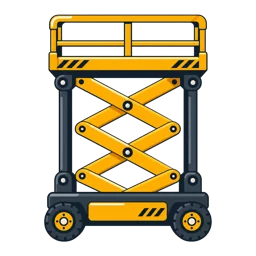
If lighting supports elevated tasks, match the aerial platform to the surface and height:
- Slab interiors: /electric-scissor-lift-rental/
- Mixed or uneven exteriors: /rough-terrain-scissor-lift-rental/
- Varied reach needs: /aerial-lift-rental/ and /boom-lift-rental/
When to consider alternate site products
Long runs of cable or illuminated fencing may pair better with on‑site storage and controlled perimeters. See /storage-containers-rental/ and /temporary-fencing-barricades-rental/ for planning notes.