Aisles, doors, and masts
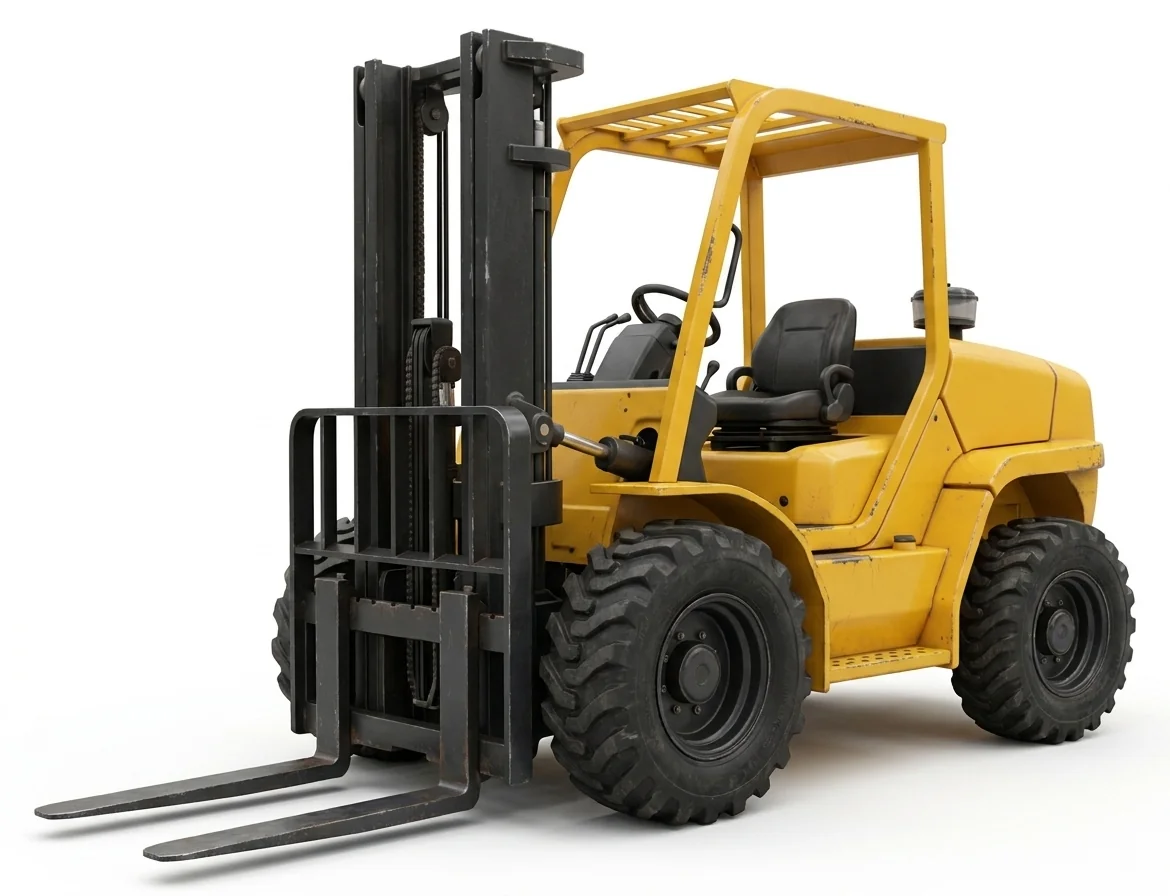
Measure clear aisle width at the tightest turn and the lowest overhead point. If the load must pass through a low door or under conveyors, a shorter collapsed mast or a triplex design may matter. Tilt and side‑shift features improve placement in crowded racks, but turning room is the first limiter.
Tires and surfaces
- Cushion tires work best on smooth interior slab. Heat and dust call for good ventilation in semi‑conditioned bays.
- Pneumatic tires handle dock aprons, rougher slabs, and brief yard travel. After sudden storms, slick ramps and pooled water near thresholds reduce traction.
Power: electric vs. internal combustion
Electric trucks suit data and manufacturing interiors with air quality limits. They add battery weight and may have longer overall length depending on configuration. Internal combustion units handle continuous dock work and intermittent outdoor travel but require adequate ventilation.
When a forklift isn’t the right fit
If the task includes placing loads onto elevated landings or across setbacks, a /telehandler-rental/ is the better comparison. For elevated install work after materials are staged, look at /vertical-mast-lift-rental/ for tight interiors or /aerial-lift-rental/ for category overviews.
Planning checklist
- Load dimensions, weight, and center of gravity
- Aisle width at racking and turn points
- Floor type, ramps, and door thresholds
- Door height and any overhead obstructions