Fit the container to the approach and the pad
Before considering size, confirm how a truck can reach the placement spot.
- Approach geometry: low branches, tight turns in industrial parks, and gate swing clearances control whether a tilt‑bed can back straight in or needs side clearance for offload.
- Pad conditions: on slab, nearly any standard box sits true. On compacted base or limestone, minor undulations require more attention to door alignment and floor support.
- Elevation above runoff: in a city known for quick downpours, a slightly higher pad helps reduce splash and threshold pooling.
Match capacity to material handling
Active facilities spanning aerospace to advanced manufacturing often mix palletized parts with long, delicate components.
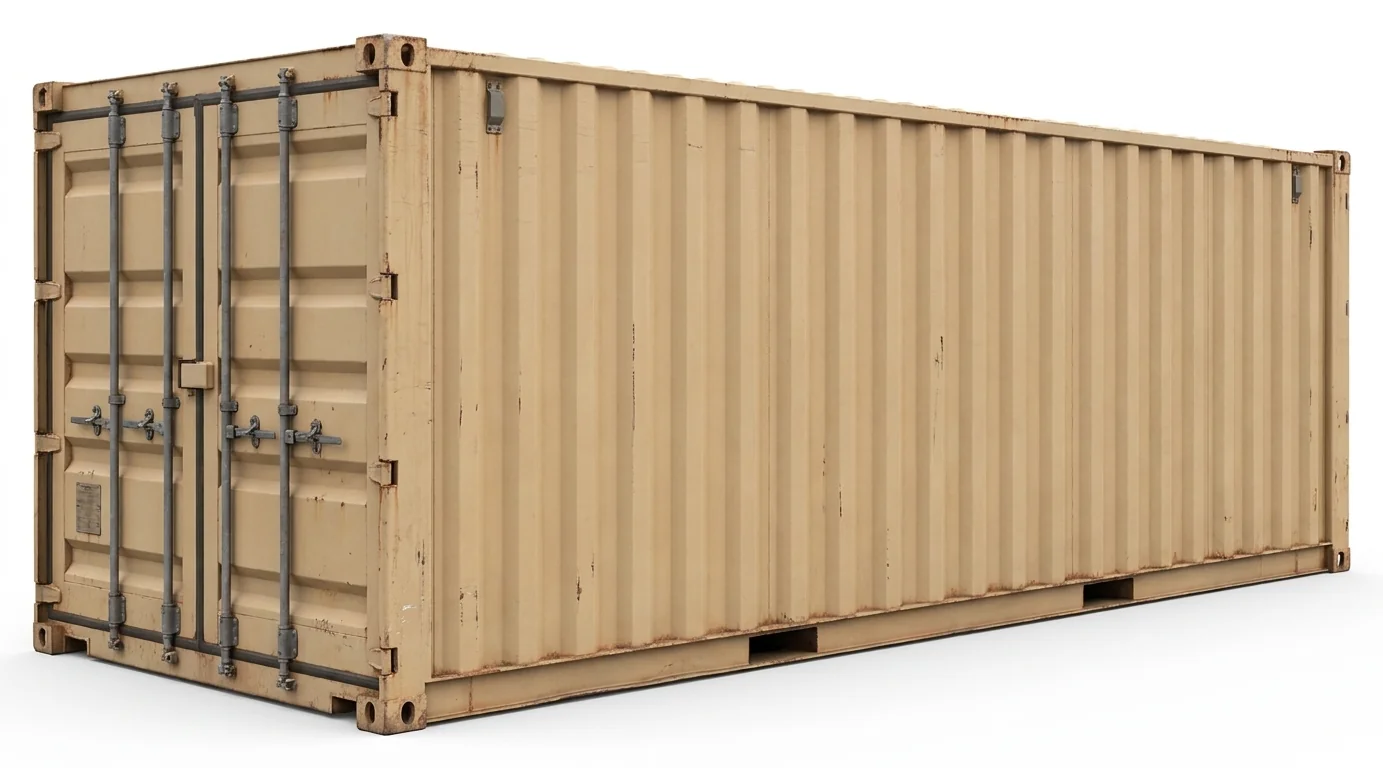
- Interior length and clear door opening set the limit for cable drums, duct sections, and jigs.
- Floor rating and evenness matter when rolling in carts or pallet jacks on smooth slab versus rougher temporary pads.
- Venting and light are practical in hot months when frequent entry is expected.
Security and site circulation
Perimeter placement near temporary fencing can reduce cross‑traffic through work zones. Containers positioned along the edge of a data or production build should not block lift routes to overhead work.
- Consider how a /forklift-rental/ or /telehandler-rental/ will approach the doors.
- If elevated work happens nearby, coordinate with /electric-scissor-lift-rental/ or /rough-terrain-scissor-lift-rental/ routes so staging does not pinch aisles.
Local ground behavior that changes the plan
Expansive clay can shift after heat and rain cycles, which may twist door frames if the box sits on soft corners. A uniform, well‑drained base limits seasonal heave. On rocky transitions toward the northwest, verify there is room to level the container without protruding blocks into travel paths.