Articulating vs. telescopic
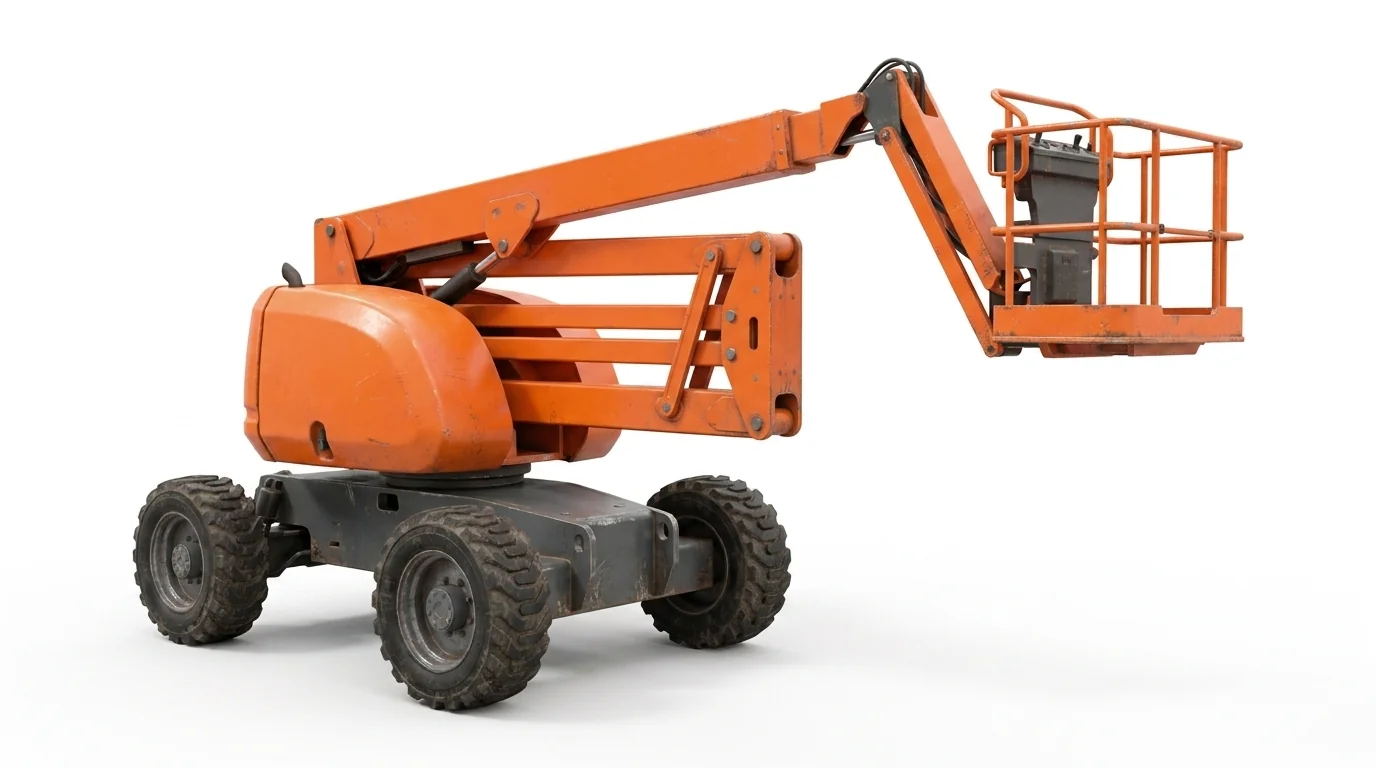
- Articulating booms: Multiple joints navigate over conveyors, ductwork, and facade features. Useful in industrial sites with obstacles.
- Telescopic booms: Longer horizontal reach and faster approach to distant elevations. Best when the path is clear and the goal is straight-line access.
Local conditions that affect boom selection
- Outdoor grades vary from compacted fill to rocky cuts. After summer storms, expansive clay soils can soften quickly. Chassis width, tire design, and ground clearance determine practical access.
- Large-bay interiors with consistent slab conditions may support electric or hybrid options for low-emission work.
Clearance, setup, and transport path
- Check gate widths, overhead obstructions, and turning radii from staging to work zone.
- Balance platform height with machine weight when crossing sensitive slabs or utility trenches near industrial expansions.
When a different platform makes more sense
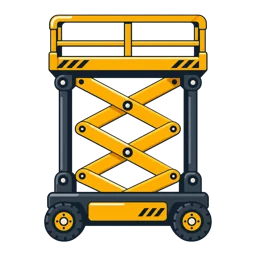
- Straight-up interior work: See /electric-scissor-lift-rental/.
- Exterior vertical access with large decks: See /rough-terrain-scissor-lift-rental/.
- Other aerial categories: Compare at /aerial-lift-rental/.
Common San Antonio boom applications
- Up-and-over maintenance around process lines
- Exterior steel, panel, and signage installs with offset reaches
- Access along tall building faces or open equipment yards
Actual conditions, the selected unit’s instructions, and site procedures govern elevated work.
Keep the comparison specific
A useful equipment discussion starts with the work height, the practical machine position, the route into the area, the floor or ground along that route, and the people, tools, or material involved. Those details clarify whether vertical access, outreach, or material placement is the real constraint.