Load, reach, and placement
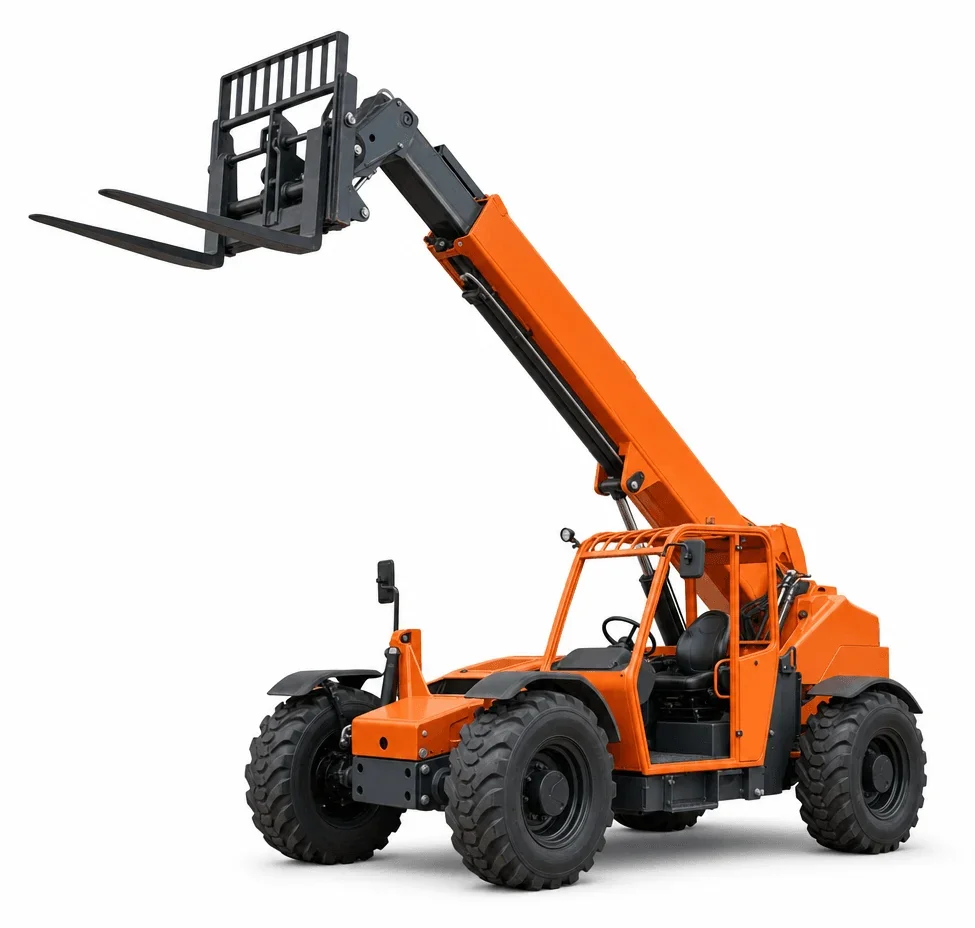
Start with the load’s weight, dimensions, and where it must land. Placing HVAC sections into a setback curb or transferring tooling onto a second‑level opening calls for a machine sized for forward reach at limited boom angles. If the landing zone is behind a parapet or guardrail, consider carriage options that improve placement visibility.
Travel path and ground conditions
San Antonio’s combination of compacted base, limestone outcrops, and soils that swell after rain means ground support can vary by the hour. A machine sized only for capacity may struggle to travel safely when the surface softens or ruts. Plan for: - Tire type and ground clearance for uneven grades - Turning room around laydown yards and in tight industrial courts - Approach angles at ramps, trench plates, and thresholds
Indoor versus outdoor handling
Telehandlers excel outdoors. For interior material moves on slab with low door headers, a /forklift-rental/ often fits better. For elevated installation once materials are staged, pair with /articulating-boom-lift-rental/ or /telescopic-boom-lift-rental/ depending on the geometry.
Common regional applications
- Staging equipment for technical interiors where slab lifts will finish the work
- Feeding materials to industrial mezzanines and service platforms
- Yard logistics at manufacturing and maintenance sites with mixed grades
Planning checklist
- Load weight and center of gravity
- Required forward reach at the landing point
- Ground firmness now and after forecast rain
- Aisle widths, gate clearances, and turning radii