Job geometry: where the hinge needs to land
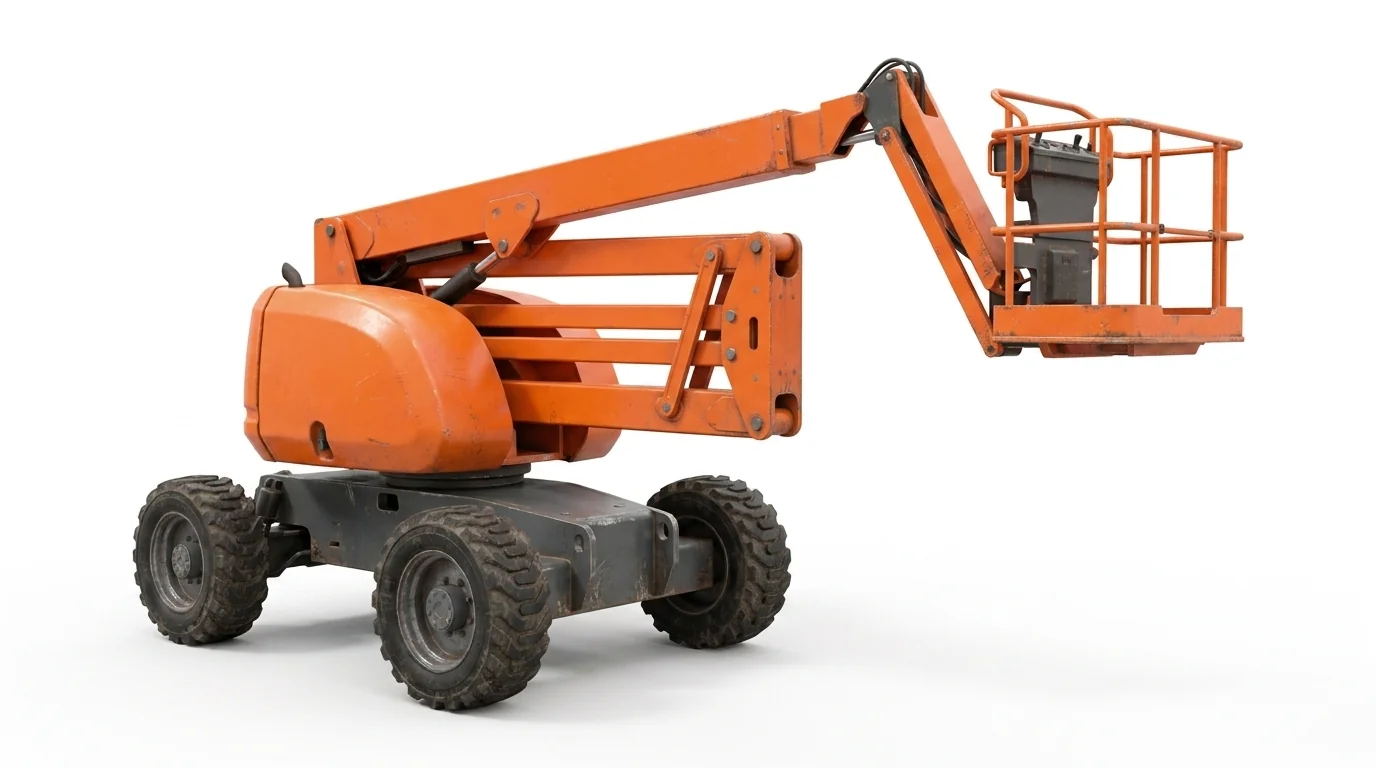
Articulating booms solve overhead obstacles. The key measurement is the horizontal setback from the base to the work, combined with the clearance height needed to swing the knuckle past the obstruction. In older industrial buildings and large aircraft spaces, catwalks and trusses often force a higher hinge point before you can drop back down to the task.
- Can the machine sit directly under the opening and rise through it? If yes, a straight boom may match. If no, the knuckle is usually the deciding feature.
- Measure the highest point you must clear, then estimate how far you need to reach back down on the far side.
Surfaces and the regional climate
San Antonio’s rapid shifts from dry heat to sudden storms create slick conditions on ramps and outdoor yards. On interior slab in data and manufacturing spaces, electric models with non‑marking tires limit floor impact and exhaust. On outdoor limestone grades or compacted fill that softens after rain, rough‑terrain packages with active oscillation and more aggressive tread manage ruts and transitions better. When the work transitions from slab to yard, plan turning radii at each doorway and any slope near thresholds.
Power, weight, and aisle constraints
- Electric articulating booms fit technical interiors but add battery weight. Confirm floor load limits, especially on mezzanines.
- Engine‑powered rough‑terrain units weigh more and need outside air flow. Check door height, as many jointed lifts exceed standard roll‑up clearance.
- For tight aisles in server or tooling corridors, consider a compact vertical mast if the obstacle is minimal; otherwise a small‑chassis articulating boom with jib control can place the platform precisely.
Common San Antonio applications
- Up‑and‑over maintenance in high‑reach industrial bays
- Cable tray and conduit routes above racked equipment in technical buildings
- Aircraft facility lighting, duct, and crane‑rail access where truss geometry blocks straight reach
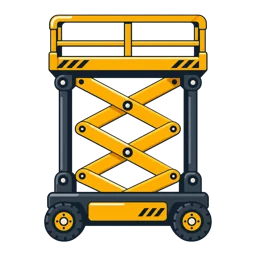
For long, unobstructed reach in yards or exterior façades, compare with /telescopic-boom-lift-rental/. For pure vertical work on slab, see /electric-scissor-lift-rental/.
Planning checklist
- Obstruction height and thickness you must clear
- Setback distance from safe machine position to task
- Surface type: interior slab, compacted base, or mixed
- Doorway sizes and slope at entries
- Ventilation requirements and noise limits